 English

Views: 0 Author: Site Editor Publish Time: 2026-10-23 Origin: Site


Maximized Heat Dissipation: Complex stacked designs exponentially increase the surface area of the cooling mechanism. This leads to faster and highly efficient thermal rejection.
Lower Energy Consumption: Drastically reducing the workload on the compressor allows multi-layer units to shorten cooling cycles. This significantly lowers monthly electricity overhead.
Superior Durability: Integrating specialized double-walled tubing ensures leak-proof and corrosion-resistant performance. The equipment survives even under constant commercial vibration.
Higher ROI: A slightly higher initial capital investment is quickly offset. Long-term savings in preventative maintenance, energy draw, and inventory protection make the upgrade highly cost-effective.
To fully grasp the engineering superiority of a multi-layer setup, we must look at the baseline function of the refrigeration cycle. A condenser receives high-pressure superheated refrigerant vapor from the compressor. It cools this vapor until it condenses back into a liquid state. This critical phase change requires transferring the heat absorbed from inside the freezer out into the surrounding ambient air.
Standard flat or single-row coils accomplish this on a single plane. A multi-layer design departs entirely from this basic architecture. Instead of a single flat surface, the physical structure features multiple rows of tubing that are tightly woven, staggered, or stacked. This intricate geometry is specifically engineered to maximize the internal and external surface area available for the freezer condenser coil to exchange heat. Best of all, it achieves this massive capacity boost without increasing the overall footprint of the condensing unit.
The structural differences between these two designs dictate how well the equipment survives in a commercial setting. Traditional single-layer units are prone to severe heat bottlenecks. The heat transfer rate is physically limited by the size of the single coil. Consequently, the compressor is forced to run longer, agonizing cycles just to maintain safe internal temperatures. Over time, this constant mechanical strain accelerates system wear and tear.
Conversely, multi-layer designs create a layered cooling effect. As the condenser fan pulls ambient air through the unit, the air passes through multiple successive stages of heat exchange. The staggered tubing allows the air to continuously absorb heat as it travels through the depth of the condenser matrix. This process cools the refrigerant much faster before it ever reaches the expansion valve.
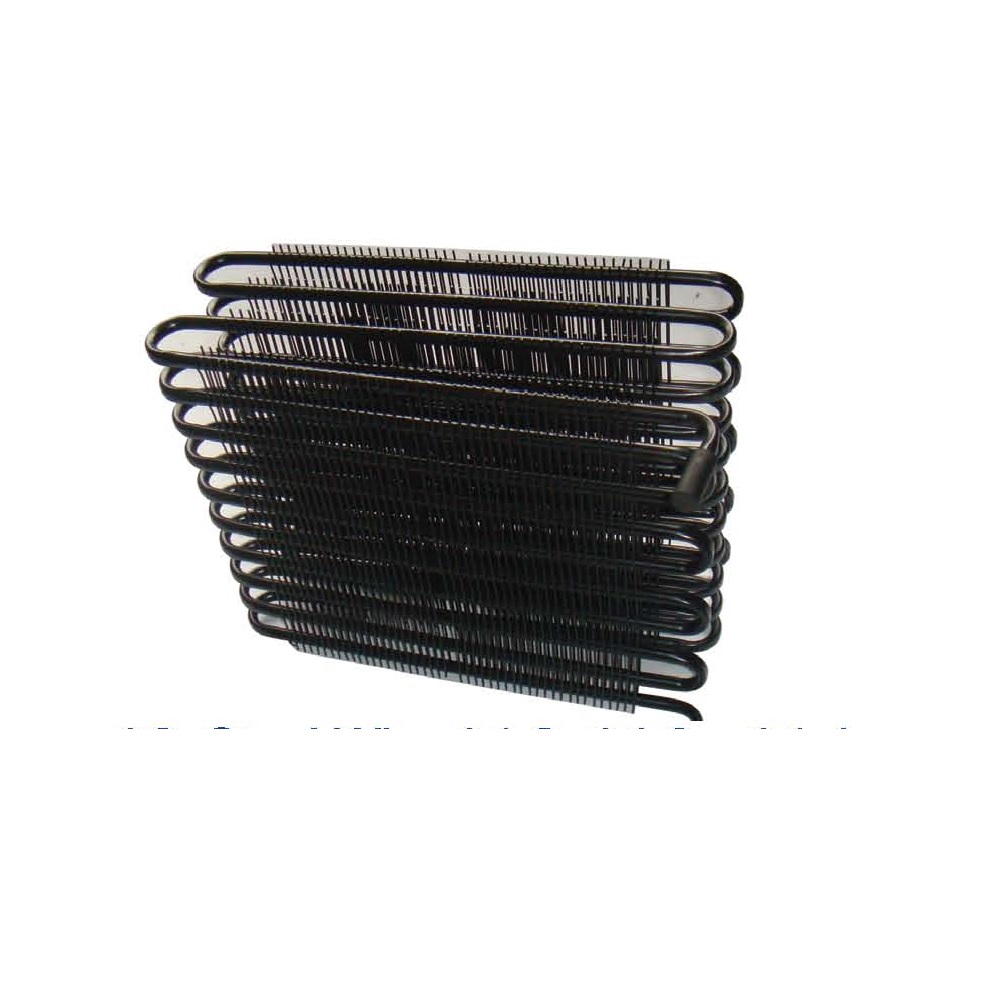
At its core, the superiority of the multi-layer architecture is grounded in the fundamental laws of thermodynamics. The rate at which heat can be rejected is directly proportional to the surface area available for the exchange. By stacking multiple layers of tubing, engineers effectively multiply the surface area within the exact same volumetric space.
A common concern among facility managers is that adding dense layers to a coil might restrict airflow and act like a solid wall. However, modern multi-layer designs are meticulously engineered to optimize fluid dynamics. The spacing between the tubes and the metallic fins is precisely calculated to prevent static pressure drops. Staggered tube arrangements intentionally cause the air to become turbulent as it passes the first layer. This turbulence actually enhances the heat transfer coefficient. The air aggressively strikes the subsequent layers, pulling away significantly more heat than a smooth laminar flow ever could.
Global energy regulations and the phase-down of high Global Warming Potential refrigerants are rapidly reshaping commercial cooling. The industry is experiencing a massive shift toward natural refrigerants like R290 propane. These eco-friendly alternatives demand highly optimized heat exchangers due to strict charge limits. Multi-layer designs provide the exact thermal efficiency required to make these low-charge systems viable. Upgrading the hardware ensures compliance with stringent Department of Energy standards while maximizing cooling output.
Beyond theoretical physics, upgrading to multi-layer technology provides highly tangible operational benefits. Here is how this engineering translates directly to bottom-line performance.
Picture a busy supermarket on delivery day. Freezer doors are opened continuously as staff stock shelves and customers grab products. Each opening introduces a wave of warm humid air into the cooled space. Pull-down time refers to the speed at which the freezer can recover its safe operating temperature. Multi-layer condensers process refrigerant so efficiently that they drastically slash these recovery times. This rapid response prevents ice crystal formation on frozen goods and mitigates bacterial growth.
Energy consumption remains one of the largest controllable overhead costs in food service and retail. A multi-layer condenser allows the compressor to run shorter and more efficient cycles. As a result, the overall electrical draw of the unit plummets. Facilities upgrading from legacy single-layer models frequently observe double-digit percentage savings in their monthly cooling costs.
Temperature fluctuations are the silent killer of commercial inventory. Sluggish heat rejection allows the internal temperature to slowly creep up before the system can catch up, causing freezer burn and premature spoilage. The rapid thermal transfer capabilities of a multi-layer design ensure the refrigeration cycle is highly responsive. This locks in a strict and consistent internal climate.
While the architectural layout of the condenser is vital, the raw materials used in its construction determine its survival in the field. In heavy-duty commercial refrigeration, the Bundy tube has emerged as the absolute gold standard for multi-layer configurations.
A Bundy tube is a specialized conduit made of double-walled copper-brazed steel. Manufacturers roll a copper-coated steel strip through 720 degrees and resistance-braze it into a solid tube. This creates a component that possesses the rugged structural strength of steel alongside the highly conductive and anti-corrosive properties of copper.
In modern manufacturing, a high-quality bundy tube freezer condenser features strict engineering tolerances. Field-tested units typically utilize an outer tube diameter ranging from 4.76mm to 8mm, paired with a robust wall thickness of 0.7mm. The integration of low carbon steel wire enhances structural rigidity.
Furthermore, applying a cathodic electrophoretic coating ensures the unit can withstand harsh kitchen environments. Top-tier multi-layer units routinely pass salt spray tests exceeding 500 hours. This proves their exceptional resistance to aggressive corrosion caused by humidity and cleaning chemicals.
Most importantly, commercial freezers vibrate constantly. Standard single-walled aluminum tubes easily develop micro-fractures under this mechanical stress. The double-walled construction of a Bundy tube provides exceptional resistance to vibration fatigue. This practically eliminates the risk of microscopic refrigerant leaks, keeping your system compliant with environmental regulations and safe for food storage.
Different commercial sectors face unique environmental challenges. Facility managers must evaluate their specific operational variables to determine if upgrading their cooling infrastructure is necessary. The following sectors experience the most dramatic performance improvements.
Retail display units are subjected to constant thermal loads from heavy shopper traffic. Upgrading to a high-capacity industrial freezer condenser ensures these display cases maintain absolute freezing temperatures. They succeed despite the continuous influx of ambient store air, ultimately protecting thousands of dollars in perishable inventory.
Restaurant kitchens are notoriously unforgiving environments. Refrigeration equipment must constantly fight against the ambient heat generated by fryers, ovens, and grills. Multi-layer condensers are non-negotiable in these settings. They provide the sheer heat rejection capacity required to keep walk-in freezers operational during peak dinner service when ambient temperatures hit their maximum.
When evaluating refrigeration upgrades, purchasing managers often hesitate at the initial price point. Evaluating equipment solely on initial capital expenditure leads to inflated operational costs down the road. Traditional condensers look cheaper on an invoice, but their inefficiency leads to brutal daily operating costs. The table below highlights the stark operational differences.
Performance Metric | Traditional Single-Layer Condenser | Multi-Layer Bundy Tube Condenser |
|---|---|---|
Heat Dissipation Rate | Low. Prone to thermal bottlenecks in high heat. | Extremely High. Staggered layers maximize thermal transfer. |
Compressor Strain | High. Forces long duty cycles to reach set temperatures. | Low. Rapid cooling allows the compressor to shut off sooner. |
Vibration Resistance | Poor. Aluminum tubes often crack under constant stress. | Excellent. Double-walled steel prevents microscopic leaks. |
Physical Footprint | Requires wider or taller units to increase capacity. | Highly compact. Utilizes depth to save valuable floor space. |
Long-Term ROI | Negative. Higher energy bills and frequent replacements. | Highly Positive. Pays for itself via energy and maintenance savings. |
While multi-layer technology provides superior heat transfer, its dense architectural design requires strict adherence to preventative maintenance protocols. The tightly packed layers increase the surface area for cooling, but they also act as a highly effective filter for airborne dirt.
If neglected, dust, flour, and vaporized grease will accumulate between the layers. This buildup acts as an insulating blanket, trapping heat inside the refrigerant tubing and completely negating the efficiency benefits of the design. When airflow is choked, condensing pressures spike, and the compressor is forced to run continuously until it fails.
Facility maintenance personnel should follow a strict procedure to safely clean these dense structures without crushing the delicate fins.
Isolate the Power Supply: Always disconnect the electrical power at the breaker to prevent injury from moving fan blades or electrical shock.
Dry Brushing: Using a soft-bristled brush, gently sweep the exterior face of the coil vertically following the direction of the fins to remove heavy debris. Never use a hard wire brush.
Apply Specialized Coil Cleaner: For kitchens dealing with grease, apply a non-acidic foaming coil cleaner. The expanding foam pushes dirt out from the deep internal layers.
Reverse Airflow Clearing: Instead of pushing dirt deeper into the matrix, use compressed air or a high-powered shop vacuum to pull the debris from the inside out, moving against the normal fan airflow.
Cleaning frequency depends entirely on the environment. Standard retail or medical environments can usually operate on a quarterly cleaning schedule. Commercial bakeries dealing with heavy airborne flour or fast-food kitchens vaporizing grease require rigorous monthly inspections to prevent the dense coils from clogging.
Upgrading your refrigeration system is one of the most impactful operational decisions a facility manager can make. A multi-layer design offers unmatched heat dissipation. It allows commercial freezers to recover temperatures rapidly even in the most hostile ambient environments. By lowering your monthly energy draw and extending the life of your compressor, this advanced technology transforms a standard maintenance expense into a true financial investment.
Combined with the rugged leak-proof durability of double-walled Bundy tubing, multi-layer condensers represent the pinnacle of modern cooling technology. If your current refrigeration units are struggling to keep up with demand, it is time to evaluate the immediate benefits of upgrading your heat exchange infrastructure. Visit Retekool today to explore premium multi-layer condenser solutions engineered to protect your inventory and optimize your operational efficiency.
A: The primary difference lies in the available surface area and the speed of thermal transfer. A single-layer condenser features a flat single row of tubing, which creates thermal bottlenecks in high-demand environments. Multi-layer condensers stack or weave multiple rows of tubing together. This layered architecture exponentially increases the surface area for heat rejection without expanding the physical footprint of the unit, allowing the system to cool the refrigerant much faster.
A: No, multi-layer coils do not inherently require a proprietary refrigerant. They are highly versatile components designed to be compatible with most modern eco-friendly refrigerants utilized in commercial cooling, including R290 propane, R134a, and R404A. The specific type of refrigerant is dictated by the compressor and expansion valve design, not the structural layout of the condenser itself.
A: R290 propane requires highly precise thermal management due to strict regulatory charge limits. Multi-layer designs maximize heat rejection within a much smaller internal volume. This makes them the perfect heat exchange solution for natural refrigerants, ensuring the system runs safely and efficiently while meeting environmental compliance.
A: Bundy tubes are manufactured using copper-brazed double-walled steel. This construction provides superior structural rigidity, high vibration resistance, and exceptional leak prevention compared to standard single-wall aluminum tubing. In heavy-duty commercial environments where equipment is subject to constant mechanical vibration, Bundy tubes prevent the microscopic fractures that lead to dangerous refrigerant leaks.
A: Absolutely. By rejecting heat faster, the refrigeration system reaches its target temperature setpoint much quicker. This drastically reduces the compressor's run time. Lowering the mechanical duty cycle reduces wear on internal bearings and keeps operating temperatures within safe limits, adding years to the compressor's lifespan.
A: As a general baseline, commercial units should be inspected and cleaned every three to six months. However, because multi-layer coils are denser, they trap debris more easily. If the unit operates in an environment with high airborne particulates like a bakery or a fast-food kitchen, maintenance must be accelerated to monthly checks. Blocked coils lead directly to compressor failure.
A: In many operational scenarios, existing condensing units can be retrofitted or replaced with multi-layer technology. This requires a certified refrigeration technician to perform a full system evaluation. The technician must ensure that the new high-efficiency condenser is thermodynamically compatible with the existing compressor capacity and metering devices to prevent system imbalances.
A: Contrary to common assumptions, upgrading to a highly efficient condenser often results in a quieter refrigeration system. Because a multi-layer setup rejects heat much faster than a standard coil, the compressor and condenser fans do not have to work as hard or run as long to reach the target temperature. By significantly reducing the mechanical duty cycle, the overall operational noise is noticeably reduced.


