English
Views: 28 Author: Site Editor Publish Time: 2026-02-02 Origin: Site


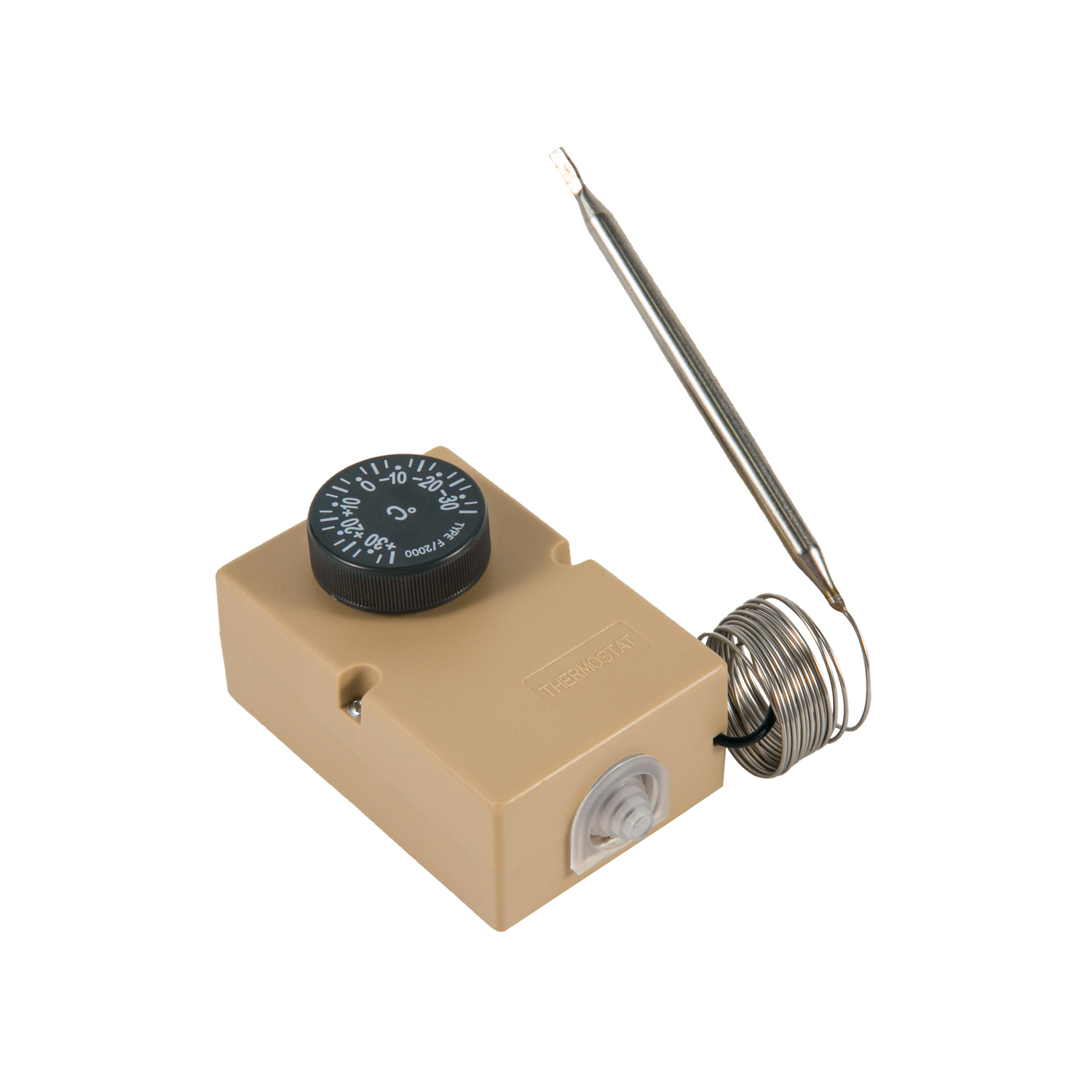
The Working Principle of Liquid Expansion Thermostat Temperature Sensing and Expansion: The liquid working fluid in the temperature sensing tube changes volume with temperature, pushing the membrane box connected to it to expand or contract. Mechanical Transmission: The membrane box drives the mechanical structure such as the spring sheet and spring sheet assembly through the cone head or push rod to trigger the contact to open and close. For example, when the temperature rises, the membrane box expands, pushing the contact to separate and cut off the power; after the temperature drops, it resets and turns on the power.
Structural Optimization:
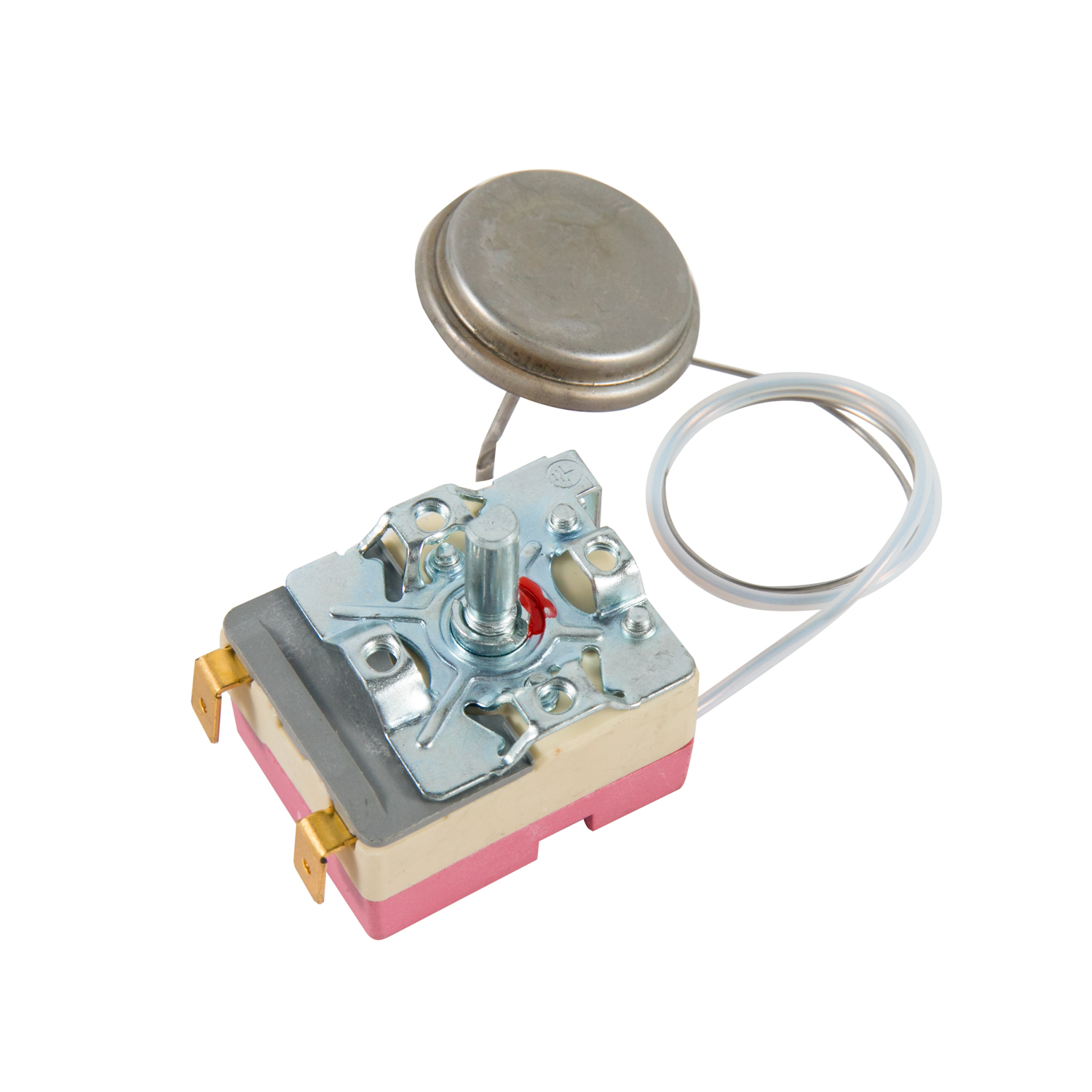
In modern design, by adding spring sheets, ceramic rice supports (such as patent CN202323048939U) and capillary fixing technology (C-shaped bending hook), the risk of component falling off is reduced, the service life is extended and the stability is improved.
Performance parameters:
Typical technical indicators include temperature control range (-35℃ to +350℃), electrical load (16A/250V), response rate (≤1.0℃/min) and life (>100,000 times).
The Technology Trend of Liquid Expansion Thermostat
1.Structural stability: Reduce the risk of deformation through the design of membrane box seat reinforcement and multi-ceramic ring assembly.
2.Intelligent upgrade: Combine AI algorithm to achieve dynamic temperature adjustment and adapt to the needs of IoT scenarios.
3.Material and process optimization: For example, use high temperature resistant plastic shell and enhance heat dissipation design to cope with extreme environments.
The Market Application of Liquid Expansion Thermostat
1.Home appliance industry:
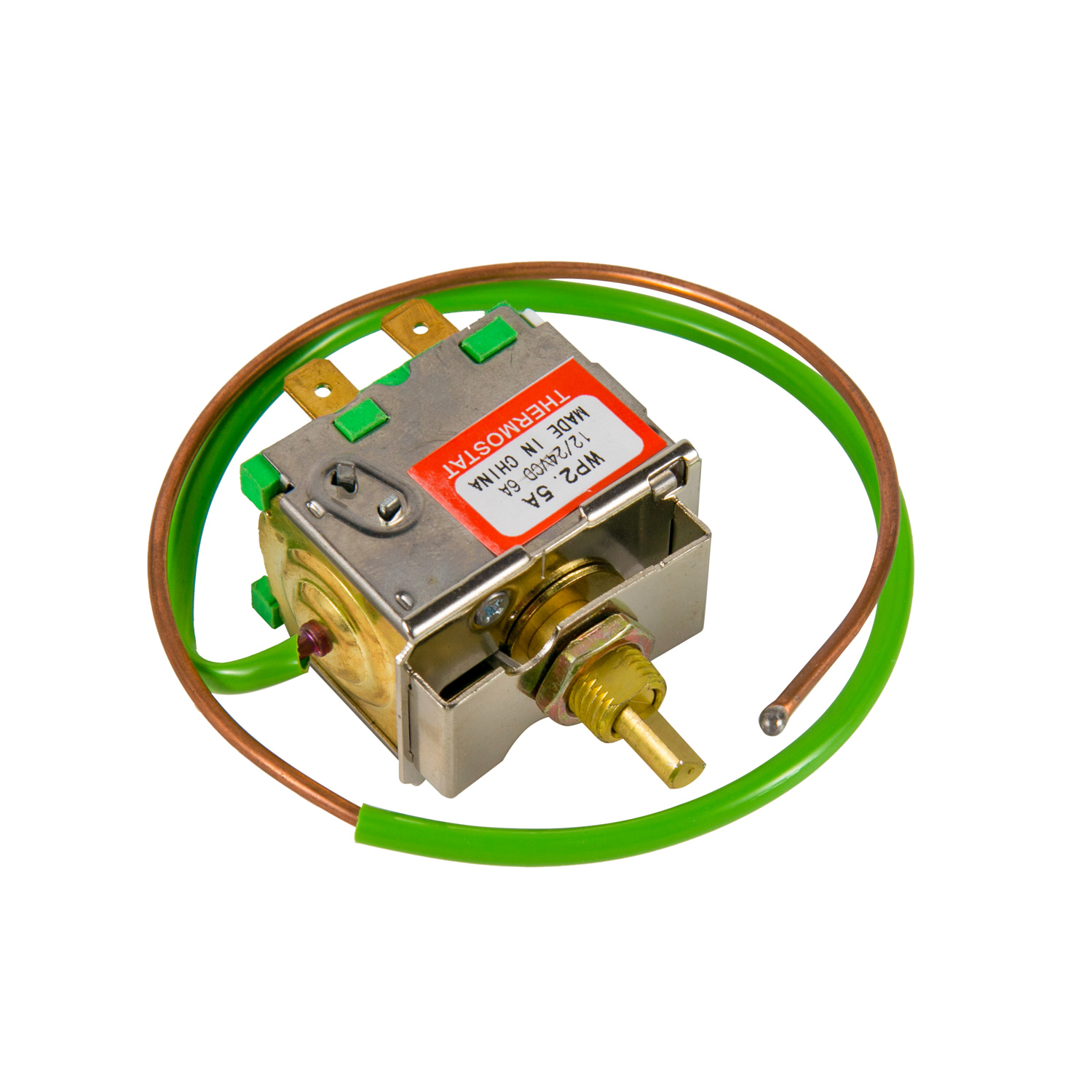
Including electric water heaters, electric ovens, electric irons, deep fryers, etc., for precise temperature control and prevention of overheating.
2.Industrial equipment:
Such as hot runner temperature control system, test chamber temperature and humidity control, temperature monitoring in the chemical and pharmaceutical industries, etc.
3.Medical and commercial equipment:
Oral medical equipment, beauty sprayers, stage fog machines and other scenes that require precise temperature control.
4.Emerging demand:
With the trend of intelligence and automation, liquid expansion thermostats gradually integrate AI algorithms to optimize user experience, such as automatically adjusting temperature settings and other functions, and have significant potential in the field of smart homes in the future.